


-

Add: HeBei ShengShi HongBang Cellulose Technology CO.,LTD.
-

Email
13180486930@163.com -

CONTACT US
+86 13180486930





Hydroxypropyl methylcellulose (HPMC) is increasingly being recognized for its diverse applications in skincare products . As a cellulose-derived polymer, HPMC brings multiple benefits due to its unique properties, which are gaining attention both in scientific research and industry innovation. One of HPMC's most notable features is its moisture retention capabilities. In an era where consumers are seeking products that can hydrate and nourish the skin without harmful side effects, HPMC stands out as a safe and effective choice. Its ability to retain water makes it an ideal ingredient for moisturizers and creams designed to combat dryness and enhance skin elasticity. Users consistently report a noticeable improvement in skin suppleness after incorporating HPMC-infused products into their skincare routine. In addition to moisture retention, HPMC acts as a thickening agent. This property is invaluable for product formulation, allowing manufacturers to create skincare products that provide a pleasant texture and user experience. By enhancing the viscosity of creams and lotions, HPMC ensures even spreading and absorption, which enhances the effectiveness of active ingredients. Dermatologists often recommend products with this polymer for individuals with sensitive skin, as it reduces potential irritation often caused by other thickening agents. Another significant advantage of HPMC is its function as a stabilizer. In the cosmetic industry, maintaining the integrity of a formula over time is crucial. HPMC helps maintain the uniform distribution of particles in emulsions, preventing separation. This results in a consistent application experience and reliable product performance, which builds consumer trust and satisfaction. Products featuring HPMC are less likely to experience issues such as ingredient separation, which can compromise both the efficacy and safety of the product. HPMC also exhibits excellent film-forming properties, essential for certain skincare formulations such as masks or serums. By forming a thin, cohesive layer on the skin, HPMC can help lock in moisture and active ingredients, enhancing their delivery and increasing the time they remain effective on the skin. This characteristic not only boosts product efficacy but also can give users a tangible sense of protection and care, which is increasingly sought after in luxury skincare products. hydroxypropyl methylcellulose skin Furthermore, HPMC is appreciated for its hypoallergenic nature. As consumers become more mindful of ingredients applied to their skin, demand rises for hypoallergenic and non-comedogenic products. HPMC's gentle nature makes it suitable for individuals prone to allergies or adverse reactions. Its integration into skincare solutions addresses a crucial market need for safe yet effective beauty solutions, heightening its appeal across various demographics. Beyond individual product use, the inclusion of HPMC in formulations is supported by extensive scientific research. Studies have shown its non-toxic nature and compatibility with a wide range of other ingredients. The polymer's versatile nature allows it to be combined with vitamins, antioxidants, and botanical extracts, thereby enabling the development of multifunctional skincare products. Laboratories and product developers are continually exploring new combinations that capitalize on HPMC's compatibility and stability. In a world where consumers are empowered with information, transparency and credibility are non-negotiable. Hydroxypropyl methylcellulose stands as a testament to scientifically-backed innovation in skincare, drawing the attention of dermatologists, product developers, and informed consumers alike. Its multifaceted benefits, supported by concrete research and consumer testimonials, make it an indispensable choice in the formulation of next-generation skincare products. As awareness of environmentally-friendly and sustainable beauty products grows, the renewable nature of HPMC further solidifies its appeal. Derived from cellulose, a natural compound, HPMC aligns with the sustainable ethos valued by modern consumers. This environmental consideration, alongside skin health benefits, makes HPMC an attractive ingredient for forward-thinking brands aiming to lead in responsible beauty care. As the quest for effective, safe, and innovative skincare solutions continues, hydroxypropyl methylcellulose is poised to be at the forefront, providing tangible benefits while respecting the values of a discerning consumer base.
- 40000tons

Production
- 20+years

Experience
- 5000+㎡

Acreage

-
As industries evolve, innovative materials like chlorinated rubber powder are revolutionizing manufacturing processes and product development. From coatings to gloves, this versatile material ensures durability, flexibility, and enhanced performance across applications. Understanding how rubber powder price and related technologies impact your business is key to staying ahead. The Role of Rubber Powder Price in Industry Growth The rubber powder price plays a crucial role in determining the accessibility and profitability of various industrial applications. As a cost-effective material, chlorinated rubber powder is widely used in manufacturing paints, coatings, and adhesives. Its resistance to water, chemicals, and abrasion ensures long-lasting performance, making it a staple for industries like construction, automotive, and marine. Monitoring fluctuations in the rubber powder price is essential for manufacturers aiming to maintain competitive pricing while ensuring product quality. Bulk purchases and advances in production techniques have made this material more affordable, enabling small and large-scale businesses to benefit from its remarkable properties. Chlorinated Rubber Powder: A Game-Changer in Coatings One of the standout applications of chlorinated rubber powder is in the development of high-performance coatings. Its exceptional resistance to chemicals and harsh environments makes it a preferred choice for industrial and marine coatings. These coatings protect structures from corrosion, extending their lifespan and reducing maintenance costs. In addition to durability, chlorinated rubber powder enhances the adhesion of coatings to various surfaces, including metals and concrete. This versatility allows industries to tackle challenges posed by extreme weather conditions or heavy industrial use. With its cost-to-performance ratio closely linked to the rubber powder price , businesses can achieve premium finishes without exceeding budget constraints. Rubber Accelerator Free Gloves: Ensuring Safety and Comfort The demand for rubber accelerator free gloves is growing, driven by the need for hypoallergenic and environmentally friendly alternatives. These gloves, free from chemical accelerators, are safer for individuals with sensitive skin or allergies, making them ideal for healthcare, food handling, and industrial use. Chlorinated rubber powder contributes to the production of these innovative gloves by enhancing their flexibility and durability. Unlike traditional gloves, which may degrade quickly or cause discomfort, those made with rubber accelerator free gloves technology provide exceptional protection and comfort. This breakthrough not only supports worker safety but also aligns with global efforts toward sustainable manufacturing practices. Balancing Quality and Cost with Rubber Powder Price For manufacturers, balancing quality and cost is a constant challenge. By leveraging the benefits of chlorinated rubber powder , businesses can optimize product performance while maintaining competitive pricing. The rubber powder price is influenced by factors like raw material availability, production efficiency, and market demand. To remain competitive, many industries are adopting advanced technologies that improve the cost-efficiency of chlorinated rubber powder production. Innovations in recycling and sustainable sourcing have also contributed to stabilizing the rubber powder price , making it accessible for a broader range of applications. Elevate Your Products with Chlorinated Rubber Powder Whether you’re in the coatings, automotive, or safety equipment industry, chlorinated rubber powder offers unparalleled advantages. Its resistance to harsh conditions, compatibility with various materials, and cost-effectiveness tied to the rubber powder price make it an indispensable material for innovation. Additionally, the rise of rubber accelerator free gloves showcases how this material is driving progress in safety and environmental responsibility. By incorporating chlorinated rubber powder into your processes, you can enhance product quality, meet customer expectations, and contribute to a more sustainable future.
-
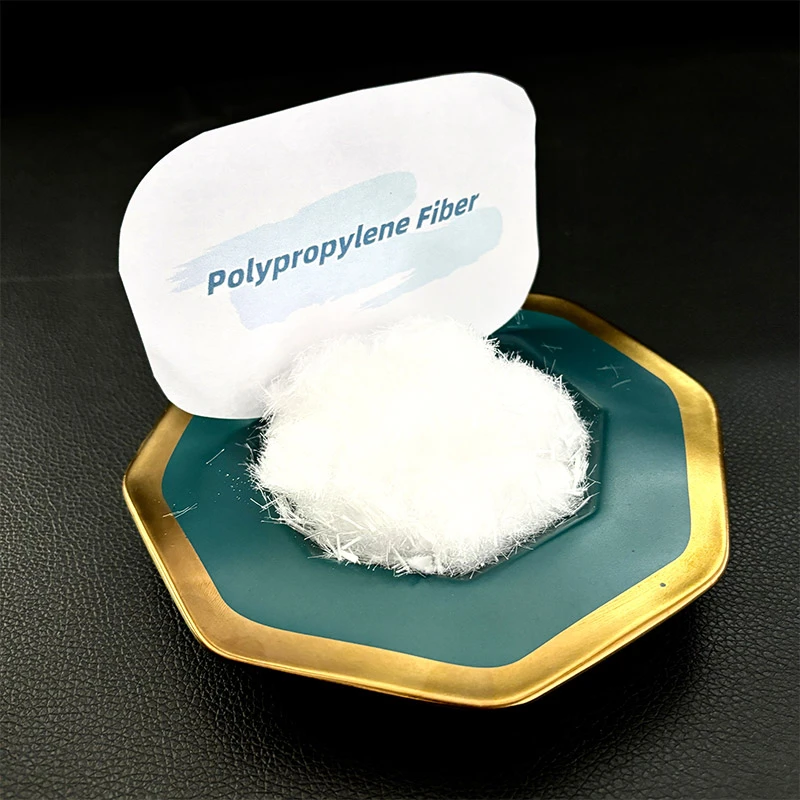
The Versatility and Benefits of Polypropylene Fiber Carpets Polypropylene fiber carpets have garnered significant attention in the flooring market due to their unique properties and numerous benefits. Known for their durability, affordability, and ease of maintenance, polypropylene carpets provide an ideal flooring solution for various residential and commercial environments. This article explores the characteristics and advantages of polypropylene fiber carpets, making them a popular choice among homeowners and businesses alike. What is Polypropylene Fiber? Polypropylene, also known as olefin, is a type of synthetic fiber that has been used in textile manufacturing since the 1960s. The fibers are created from polymerization of propylene monomers, resulting in a lightweight material that is inherently resistant to moisture, mold, and mildew. These properties make polypropylene an excellent choice for carpets, particularly in areas prone to spills and humidity. Durability and Resilience One of the standout features of polypropylene fiber carpets is their exceptional durability. Unlike natural fibers, polypropylene does not absorb water, making it resistant to stains and fading. This attribute ensures that the carpet maintains its vibrant colors and patterns over time, even in high-traffic areas. Additionally, polypropylene fibers have a natural resistance to wear and tear, making them suitable for both residential homes and commercial spaces such as offices, retail stores, and hospitality venues. Affordability Polypropylene fiber carpets are often more affordable compared to other types of carpeting, making them an attractive option for budget-conscious buyers. The cost-effective nature of polypropylene does not compromise quality; rather, it offers a balance of performance and value. Homeowners looking to upgrade their flooring without breaking the bank can find a wide range of stylish designs, colors, and textures in polypropylene carpets. Easy Maintenance polypropylene fiber carpet Maintaining polypropylene fiber carpets is a straightforward process. Their stain-resistant properties ensure that spills can be easily wiped away without leaving any lingering marks. Regular vacuuming is typically sufficient to keep the carpet looking clean and fresh. Additionally, in cases of deeper cleaning, polypropylene carpets can be safely cleaned with mild detergents and water, unlike more delicate materials that may require special care. Eco-Friendly Considerations As awareness of environmental issues grows, many consumers are becoming more conscious of the sustainability of their choices. Polypropylene fiber is a recyclable material, which means that at the end of its life cycle, it can potentially be reprocessed and transformed into new products. Additionally, the manufacturing process of polypropylene fibers has improved over the years, with many companies adopting greener practices to reduce their carbon footprint. Versatile Design Options Another advantage of polypropylene fiber carpets is their versatility in design. Homeowners can choose from an array of colors, patterns, and textures to match their unique aesthetic preferences. Whether opting for a plush shag carpet to add warmth and comfort to a living room or a low-pile, textured design for a contemporary office space, polypropylene offers something for everyone. This variety enables consumers to find the perfect carpet that complements their interior design vision. Conclusion In summary, polypropylene fiber carpets present an excellent flooring solution for various environments due to their durability, affordability, and low-maintenance properties. They are an ideal choice for families with children and pets, as well as for businesses that experience high foot traffic. With eco-friendly options and a wide range of designs, polypropylene carpets fit seamlessly into any setting while providing practical benefits that cater to the needs of today’s consumers. Investing in polypropylene fiber carpets can enhance the beauty and functionality of a space, making them a smart choice for anyone looking to upgrade their flooring. As we move towards a future focused on sustainability and practicality, the popularity of polypropylene carpets is likely to continue to rise, solidifying their place in the market for years to come.
advantages
-

200000 Viscosities
Excellent product
We can produce pure products up to 200,000 viscosities
-

40000 tons
High yield
We don’t stop production all year round, and the annual output can reach 40,000 tons
-

24 hours
Quality service
We provide 24-hours online reception service, welcome to consult at any time
———— Inquiry Form
Schedule A services

-
 hydroxypropyl_methyl_cellulose_hpmc
Oct . 25, 2025
Cellulose ether HPMC (Hydroxypropyl Methylcellulose) has emerged as a significant player in the real -
 fibreglass_fibres_for_concrete
Oct . 25, 2025
Polypropylene Fibers for Sale An Overview In the world of textiles and materials, polypropylene fibe -
 acrylic_nail_polymer
Oct . 25, 2025
The Impact of Polypropylene Fiber on Concrete Concrete is a widely used construction material, essen


